Scuba Diving Corfu
Snorkeling Guide

Corfu Best Beaches for Snorkeling

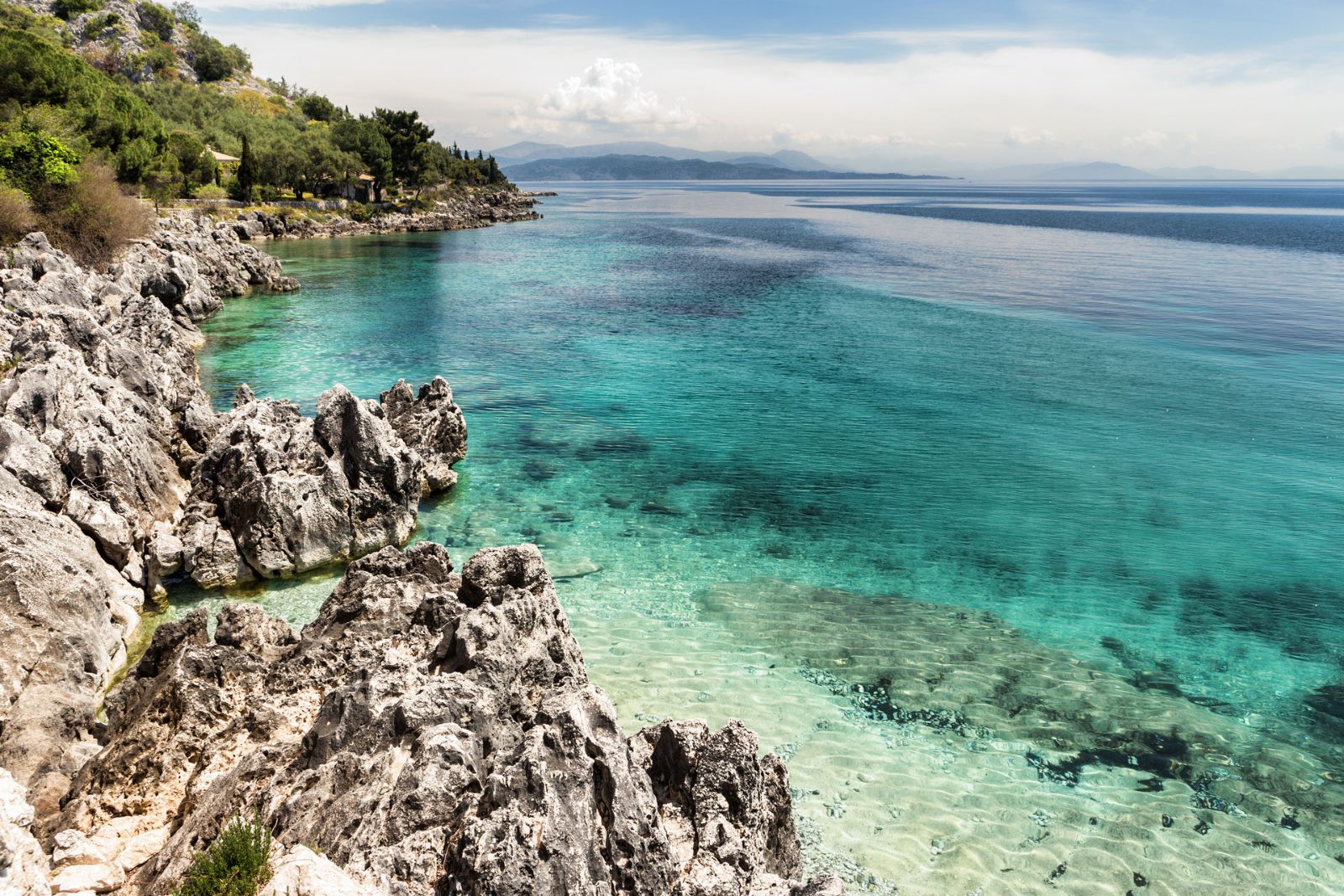
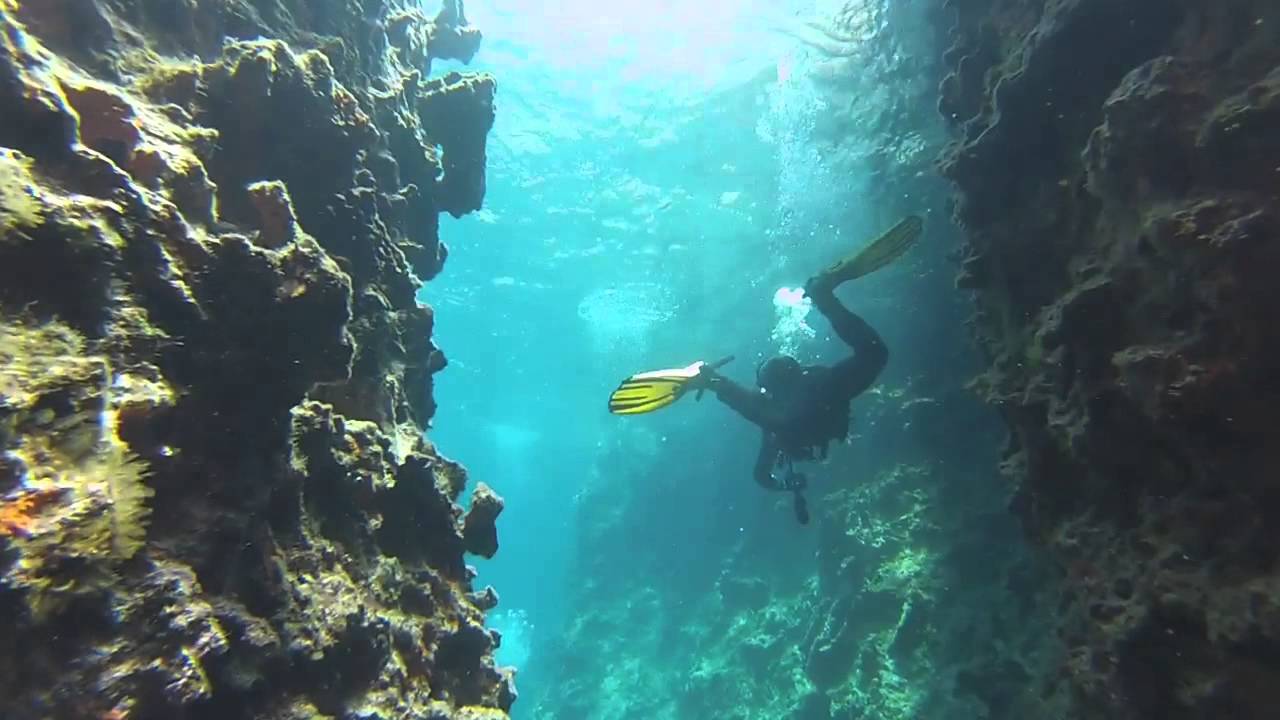
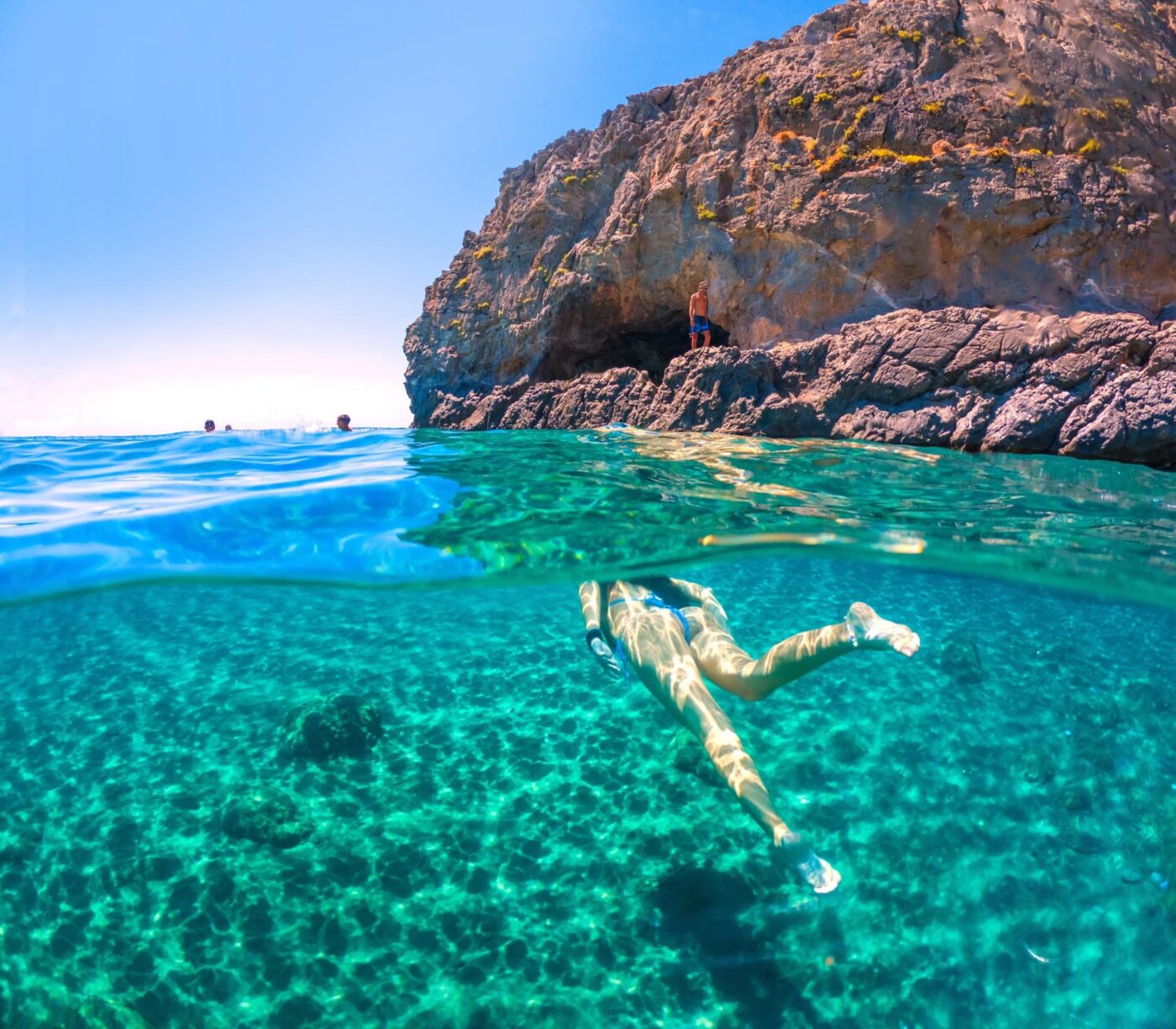
Corfu's western coastline holds some of the Ionian Sea's most transparent waters, with visibility often exceeding fifteen meters in the right conditions. The island's limestone geology creates sheltered coves where rocky reefs drop into cobalt channels, hosting damselfish, wrasse, and octopus within swimming distance of the shore.

8 min read Updated 2026-11-01 Fact-checked
Corfu Best Beaches for Snorkeling

Quick answer

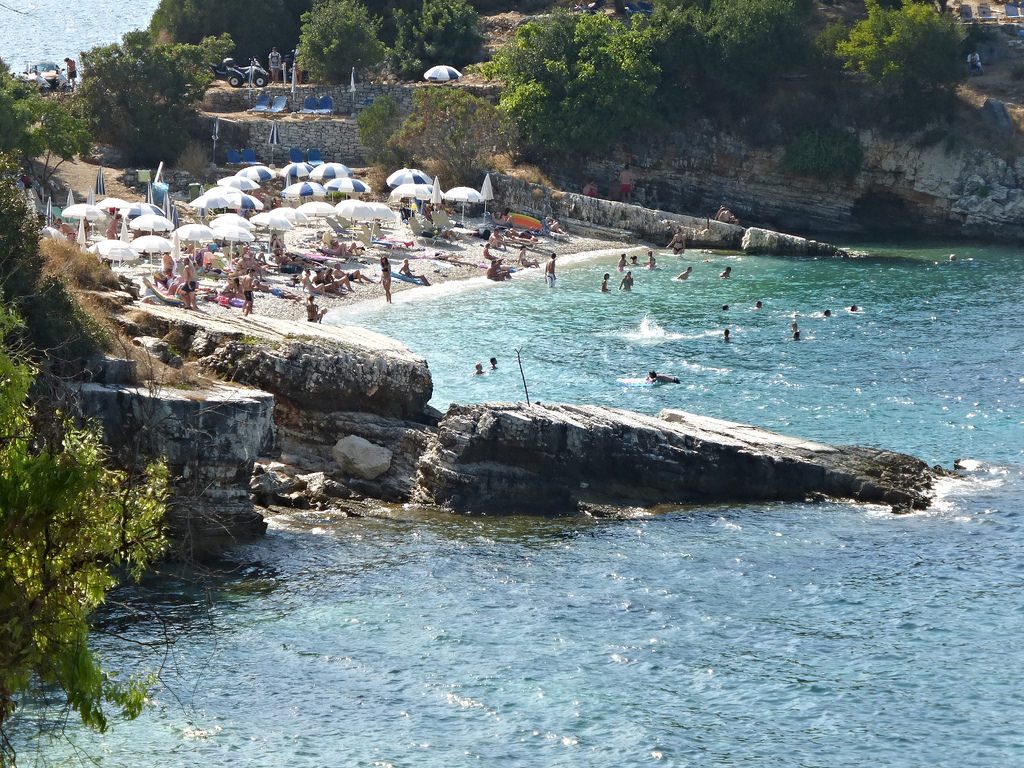
Paleokastritsa anchors the list of Corfu best beaches for snorkeling, with six interconnected bays offering underwater caves, rock formations, and consistent clarity from April through October. Arriving between 08:00 and 11:00 ensures calm surface conditions before afternoon winds pick up. Public beach access is free, though sunbed and umbrella rentals range between eight and twelve euros per set.

The western shore of Corfu drops into the Ionian with a steepness that creates natural clarity. Where sediment settles quickly and currents flush daily, underwater visibility holds at twelve to twenty meters through the summer months. Paleokastritsa's six bays form the nucleus of the island's snorkeling culture, each cove separated by limestone headlands that shelter different microclimates and species assemblages. Rocky substrate dominates these sites. Posidonia meadows fringe the shallows, giving way to boulder fields and vertical walls where sponges, sea urchins, and small groupers occupy the crevices. The water column itself rarely exceeds three meters in the swimming zones, but the topography creates depth perception through light refraction and shadow play. Damselfish patrol the rocks in territorial circuits. Painted comber and rainbow wrasse move through the mid-water in loose aggregations. Octopus emerge at dusk, though morning snorkelers occasionally spot them tucked under overhangs. Timing shapes the experience as much as location. Morning sessions between eight and eleven capture the water at its stillest, before the Maestro wind builds from the northwest and stirs the surface into chop. Light penetration peaks during this window, turning the limestone white and rendering fish behavior visible at distance. By early afternoon, surface conditions deteriorate for mask work, though experienced snorkelers still find pockets of calm in the bay corners. The northern Ionian sustains warmer surface temperatures than the Aegean, with August readings reaching twenty-six degrees Celsius. A shorty wetsuit or rashguard suffices for thermal comfort during extended swims. Fins prove essential where distances between rock formations exceed comfortable swimming range, and the current around the headlands requires propulsion to hold position. Most bays maintain sandy entry points, though rocky zones demand neoprene booties to navigate the shallows without abrasion. Access remains straightforward. Paleokastritsa's main beach infrastructure includes changing facilities, freshwater showers, and gear rental kiosks that stock masks, snorkels, and fins for day use. The smaller coves—Alipa, Agia Triada, Agios Spyridon—require brief walks or boat transfers but reward the effort with lower visitor density and undisturbed fish populations. Each site holds its character: some favor macro observation in shallow gardens, others offer swim-throughs and depth transitions for confident swimmers.

“Where limestone meets the Ionian, underwater visibility holds at twelve to twenty meters through the summer months.”
Timing

The Best Time for Snorkeling in Corfu to Ensure Clear Visibility

The best arrival window for snorkeling in Corfu is 08:00–11:00, as this timeframe provides calmer waters and fewer crowds for optimal snorkeling visibility. Planning your visit during the shoulder seasons also enhances the experience by balancing water temperatures with lower visitor density.

June and September

Moderate

Water 22°C–24°C, warm air

Ideal conditions for long sessions with comfortable water temperatures.

July and August

High

Water 25°C–26°C, hot air

Frequent boat traffic increases surface chop; arrive early to avoid turbulence.

Weekday mornings

Minimal

—

Reduced presence of beachgoers ensures clearer visibility and undisturbed marine life.

October

Low

Water 21°C–22°C, mild air

Quiet beaches and clear water remain viable before autumn winds increase.

Verdict: For the best snorkeling experience, aim for weekday mornings between 08:00–11:00 during the months of June or September.

What to see

Corfu Best Beaches for Snorkeling: Top Locations and Underwater Features

Corfu offers diverse underwater topography, ranging from sheltered rocky coves to expansive reefs. These locations provide accessible observation points for Mediterranean marine life.

Paleokastritsa

Paleokastritsa

The limestone cliffs create a complex underwater environment with deep crevices and clear visibility. Divers and snorkelers often encounter sea bream and small octopus within the rocky formations.

Focus on the outer rocks near the cove entrance for depth.
Agios Spiridon

Agios Spiridon

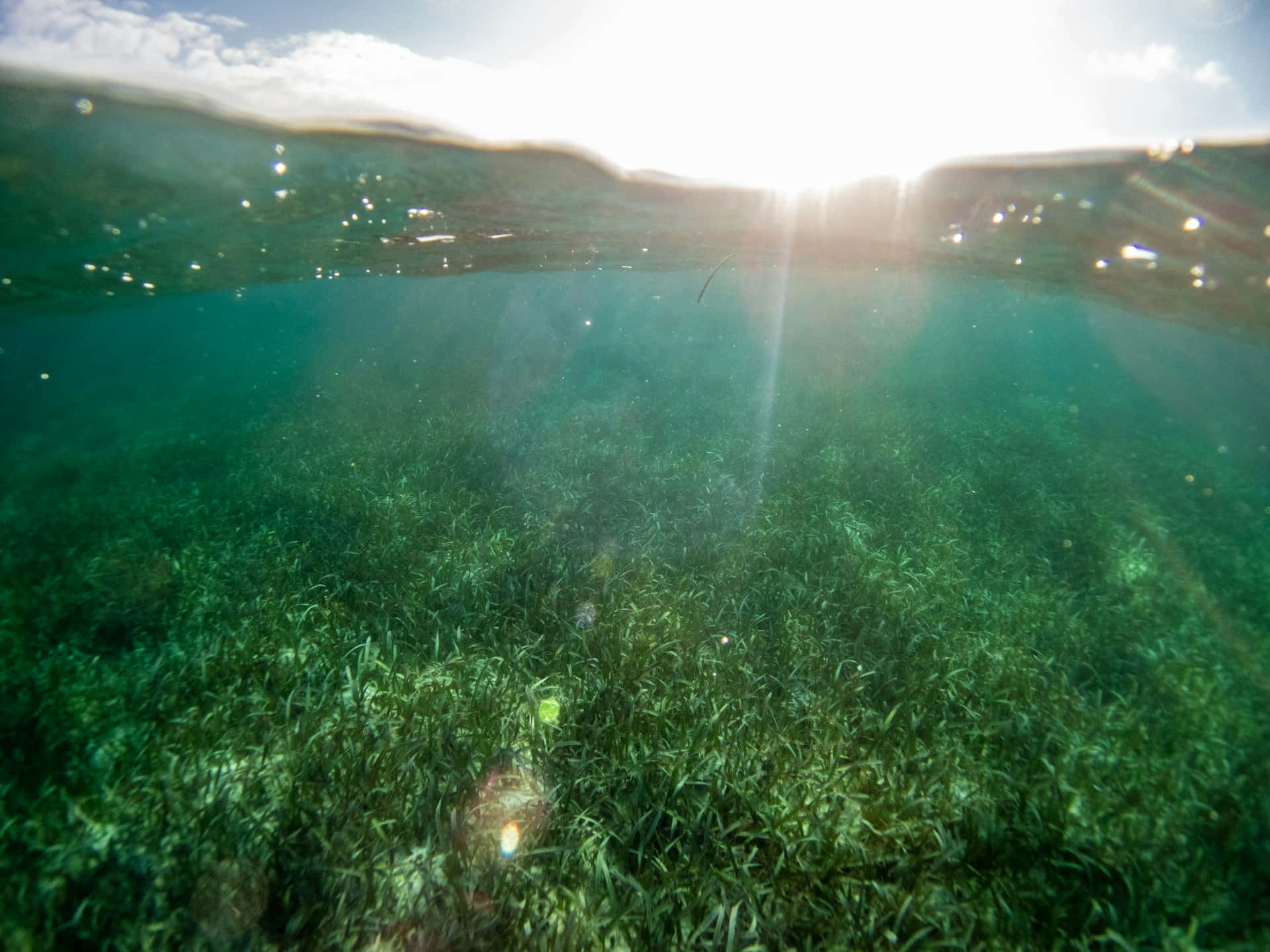
Located in the north, this area features shallow sandy patches transitioning into seagrass meadows. The calmer conditions here support observations of starfish and varied small fish species.

Swim toward the peripheral rocks to spot schools of damselfish.

Nissaki

Nissaki

This beach is characterized by large underwater boulders and shelves that drop off into deeper water. The structure provides shelter for varied marine species along the coastline.

Explore the boulders on the left side of the beach.

Kassiopi Bataria

Kassiopi Bataria

This site consists of flat, rocky slabs that descend directly into the sea. The geography allows for easy entry into deeper water where visibility remains high.

Observe the vertical rock faces for encrusting sponges and anemones.

Directions

Getting to the Best Beaches for Snorkeling in Corfu

Paleokastritsa is located on the northwestern coast of Corfu and serves as a primary hub for snorkeling. Access is straightforward via the main road network connecting Corfu Town to the west coast.

Bus 50 min —

Green Bus line from Corfu Town (KTEL Kerkyras) to Paleokastritsa terminal

Car 35 min —

E.O. Lefkimis-Palaiokastritsas road

Taxi 30 min —

Direct transfer from Corfu International Airport

Boat 60 min —

Local water taxi from Corfu Town harbor

Address: Paleokastritsa, Corfu, Greece. Aim to arrive between 08:00–11:00 to secure parking and ensure calmer waters for optimal snorkeling visibility.

Prices

Admission Fees and Costs for Corfu Best Beaches for Snorkeling

Access to public beaches in Corfu is free for all visitors. Costs are limited to optional equipment rentals such as sunbeds and umbrellas.

Public Beach Access No entry fee required
0 EUR
Sunbed Rental Prices vary by location and season
Variable
Umbrella Rental Prices vary by location and season
Variable
Entry to public beaches is free for all visitors at all times.

Verdict: An adult pays 0 EUR for beach access, with costs only incurred if choosing to rent supplemental amenities like sunbeds.

Checklist

Checklist for Visiting Corfu Best Beaches for Snorkeling

Snorkeling off Corfu's rocky shoreline rewards a bit of gear planning, so work through this list from the weeks before down to the morning you head out.

Book

Check availability

Frequently asked

Frequently Asked Questions About Corfu Best Beaches for Snorkeling

Everything you need to know about corfu best beaches for snorkeling

What are the corfu best beaches for snorkeling?

Paleokastritsa is widely considered to have the corfu best beaches for snorkeling due to its clear, rocky coves and abundant marine life. Other notable areas include Kassiopi and Agios Gordios, which offer distinct underwater rock formations. Visitors seeking to explore these sea caves and hidden bays often find these coastal spots ideal for observing Mediterranean fish species. Exploring these corfu best beaches for snorkeling is best done during the recommended arrival window of 08:00–11:00. Arriving during these hours ensures calmer waters and better visibility before the afternoon winds pick up. This also helps you secure a spot before larger crowds arrive later in the day. Entry to these public coastal areas is 0 EUR. While you do not pay for access, you may choose to rent sunbeds and umbrellas at various facilities found along the shoreline. Many of these corfu best beaches for snorkeling provide gentle entry points, making them safe for children to practice shallow-water observation. Always ensure children wear appropriate flotation devices and remain under adult supervision when swimming near rocky outcrops. Proper gear including a well-fitted mask, snorkel, and fins is essential for exploring the coastline safely. It is also highly recommended to use environmentally friendly sunscreen to protect the delicate marine ecosystem. The most frequent mistake visitors make is visiting during peak midday hours when visibility decreases and boat traffic increases. Planning your trip early in the day allows for a more peaceful experience while viewing the vibrant aquatic environment of Corfu.

Keep reading

More guides & pages