
2 hr
Paleokastritsa Speedboat Tour: Blue Caves, Paradise & Yali Beach
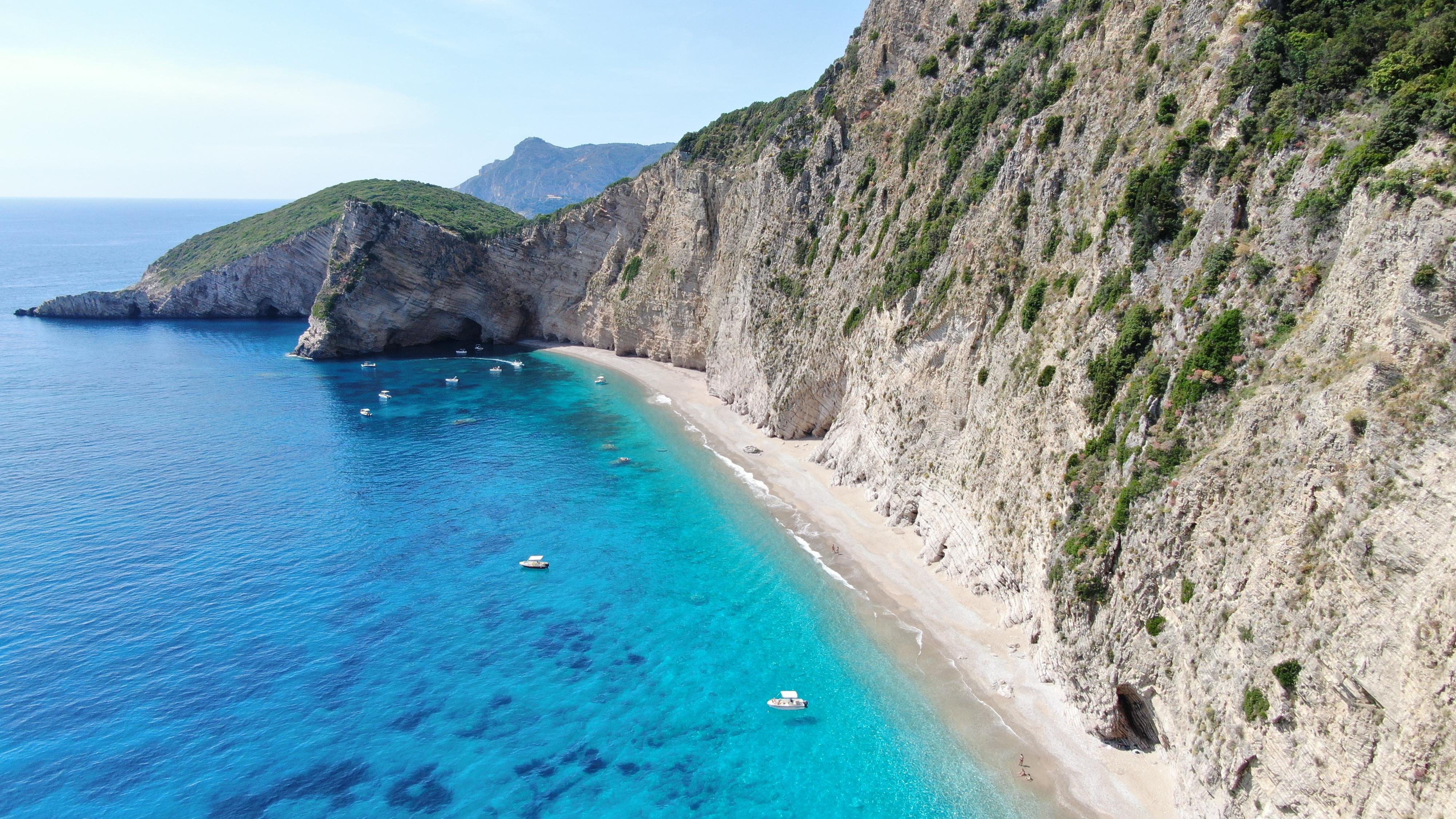
Speed along Corfu's coast to hidden sea caves and swim at two secluded beaches by boat.
Reserve

Ionian clarity and limestone caves, daily departures at dawn
Hand-picked by our editors — only the best 5 experiences from 12 reviewed.
Verified partners for every tour, free cancellation where available, and instant confirmation on every booking.
2 hr
Speed along Corfu's coast to hidden sea caves and swim at two secluded beaches by boat.
Reserve
45 min
Half-submarine, half-boat: cruise Paleokastritsa's cliffs above water, then watch fish below without getting wet.
Reserve
5 hr
Discover dramatic coastal cliffs and UNESCO-listed alleyways on this comprehensive island tour from the port
ReservePrices from verified partners. Availability updates in real time at checkout. Free cancellation policies apply where shown.
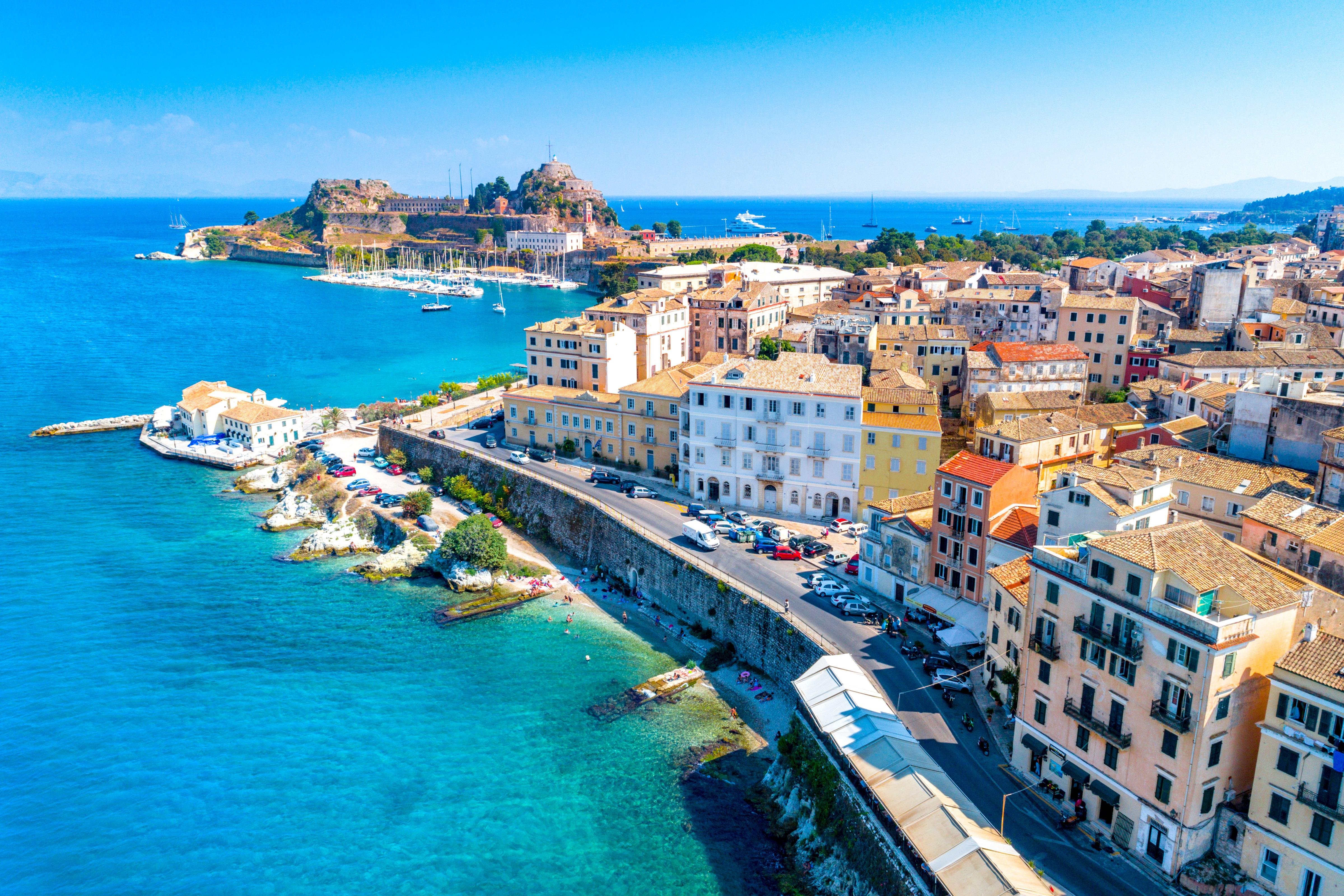
The landmarks, rooms, and views travelers on this tour remember — all visible on a single visit.
A tranquil, shallow site perfect for beginners taking their first underwater breaths under instructor guidance.
They serve different purposes, as scuba diving corfu paleokastritsa provides immersive underwater exploration, whereas boat tours focus on surface-level sightseeing. Many travelers find that combining these scuba diving corfu paleokastritsa tours with cave viewing creates a comprehensive coastal perspective.
| Feature | Top pick Scuba Diving | Blue Caves Boat Tours |
|---|---|---|
Activity Type |
Underwater exploration | Surface sightseeing |
Skill Level Required |
Certification or training | No experience needed |
Equipment Provided |
Full gear included | Life vests provided |
Marine Life Observation |
Direct interaction with fauna | Viewing from surface |
Flexibility |
Scheduled departure times | Frequent on-demand departures |
Average Duration |
2–4 hours | 30–60 minutes |
| See tickets → |
Verdict: Choose the diving experience for technical underwater exploration or book the boat trip for a convenient, low-effort perspective on the coastline and local landmarks.
Choose your ticket, select your date, and reserve in under two minutes. Secure checkout handled by our verified partner.
Instant confirmation by email, with a mobile voucher you can save offline. No printing, no queuing at a collection desk.
Arrive at the entrance, show your voucher on your phone, and walk in. Most tickets include priority or skip-the-line access.
Best time to go, insider tips, nearby landmarks, and the cancellation fine print — flip through to skim what matters to you.
Flexible, no hidden fees.
Cancellations must be requested according to the operator's standard booking terms. Scuba diving corfu paleokastritsa services carry a 0 EUR entrance fee, with individual activities charged separately.
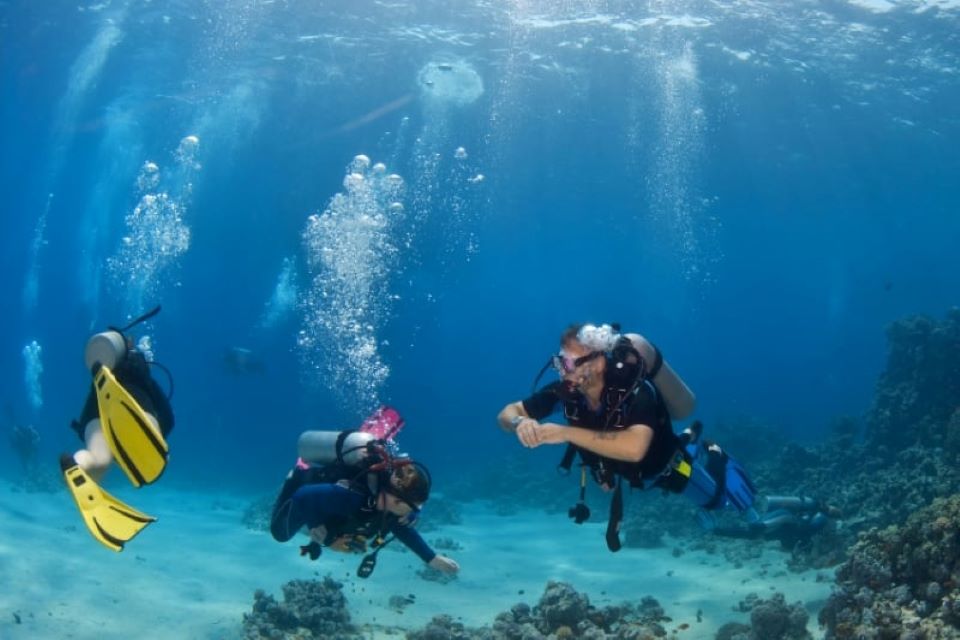
Paleokastritsa's underwater topography was shaped by tectonic folding that lifted Jurassic limestone into vertical walls now draped in sponges and soft corals. The bay's six coves form a natural amphitheater where visibility routinely exceeds thirty meters, a consequence of minimal sediment runoff and the Ionian's oligotrophic clarity. Dive operators here work reefs between eight and forty meters, most accessible within a ten-minute boat ride. The region gained recognition in the 1970s when Jacques Cousteau's Calypso surveyed the coastline, documenting cave systems that honeycomb the peninsula's western flank. Those surveys mapped over twenty caverns, three of which—Nausica, Paradise, and the Cathedral—remain standard itineraries for advanced divers. The Cathedral's dome rises twelve meters above the waterline, lit by a single aperture that creates a shaft of refracted light at midday. Red scorpionfish and painted combers shelter in its crevices; octopuses den in the rubble at its base. Scuba diving Corfu Paleokastritsa routes also include shallower sites suited to certification courses. The Coral Garden, a sloping reef between six and twelve meters, hosts damselfish aggregations and serves as the primary training ground for open-water students. Instructors favor the site for its gradual depth transition and absence of current. Nearby, the wreck of a wooden fishing boat at eighteen meters provides navigation practice for advanced open-water modules. Its hull, colonized by tube worms and encrusting bryozoans, attracts bream and small groupers. The operational season runs year-round, though autumn and spring offer the calmest conditions. Water temperature ranges from fifteen degrees Celsius in February to twenty-six in August. Most centers provide seven-millimeter wetsuits as standard. Morning departures align with the stillest surface conditions; afternoon wind from the northwest can roughen the outer sites. The concentration of dive services in Paleokastritsa reflects both the depth variety and the proximity to protected marine zones, where fishing restrictions have allowed biomass recovery over four decades.
"Visibility routinely exceeds thirty meters, a consequence of minimal sediment runoff and the Ionian's oligotrophic clarity."
Please contact us for more information.